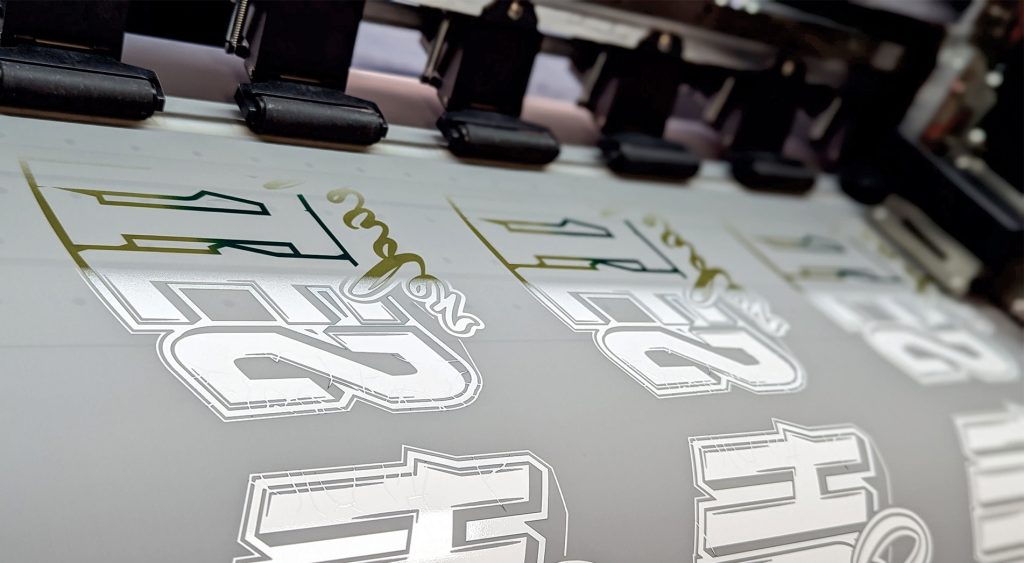
What is a DTF Transfer Service and Why Does It Matter?
A DTF transfer service provides custom DTF transfers that allow print shops, apparel brands, and online sellers to apply full-color designs to garments without investing in expensive printing equipment. Direct-to-film (DTF) transfer technology prints designs onto a special film with a white ink layer and adhesive powder, creating ready-to-press transfers that work on virtually any fabric type.
Unlike traditional screen printing, which requires separate screens for each color and design, DTF transfers enable cost-effective small batch printing without setup fees or minimum quantities per design. This makes DTF transfer services essential for businesses that need flexibility, fast turnaround time, and the ability to produce custom apparel on demand.
The right transfer supplier directly impacts your product quality, production time, and profit margins. A reliable supplier delivers vibrant colors, excellent durability, and consistent print quality across every order—factors that determine whether your customers return or leave negative reviews.
Key Factors to Consider When Choosing a DTF Transfer Provider
Selecting a DTF transfer service requires evaluating multiple criteria that affect both your operational efficiency and final product quality. The most critical factors include:
- Print quality and color accuracy: The transfer provider must deliver sharp details and true-to-design colors that match your design file specifications
- Production time and turnaround: Fast delivery options, including same-day production and next-day shipping, enable you to meet tight customer deadlines
- Pricing transparency: Clear pricing models without hidden fees help you calculate accurate profit margins
- Gang sheet flexibility: The ability to combine multiple designs on a single sheet maximizes material efficiency and reduces costs
- Minimum order requirements: Low or no minimums allow you to test designs and fulfill small orders without excess inventory
- Customer service responsiveness: Technical support and quick communication resolve issues before they impact your business operations
Your business needs will determine which factors carry the most weight. A small business launching its first apparel line prioritizes different criteria than an established print shop processing bulk orders daily. Industry experience matters—suppliers who understand custom apparel production workflows provide better guidance on file preparation, heat press settings, and troubleshooting.
Understanding Your Production Volume Requirements
Before evaluating transfer suppliers, define your typical order patterns. Do you primarily fulfill individual custom orders, or do you produce larger batches for wholesale clients? This distinction affects which supplier capabilities matter most:
- Low-volume producers benefit from gang sheets that allow mixing multiple designs without minimum quantities
- High-volume operations need wholesale pricing, dedicated account management, and guaranteed production capacity
- Seasonal businesses require flexible scaling without long-term commitments or volume penalties
Evaluating Print Quality and Color Accuracy
Print quality is the single most important factor when choosing a DTF transfer service. Superior print quality ensures that designs appear sharp, colors remain vibrant after washing, and transfers maintain professional appearance through repeated wear.
High-quality DTF transfers exhibit these characteristics:
- Precise detail rendering: Fine lines, small text, and intricate patterns print clearly without blurring or pixelation
- Consistent color matching: Colors match your design file across different production runs and sheet sizes
- Proper white ink layer coverage: The white ink layer ensures vibrant colors appear correctly on dark fabrics without transparency issues
- Even adhesive powder application: Uniform adhesive distribution prevents peeling and ensures complete transfer adhesion during the heat press process
- Film quality: Premium materials produce transfers with soft hand feel and excellent stretchability
Color accuracy depends on both the transfer technology and the supplier’s quality control processes. Reputable suppliers use color-calibrated equipment and provide color profiles that help you prepare design files correctly. They should also offer guidance on RGB versus CMYK color modes and how to achieve specific color results.
Assessing Print Consistency Across Orders
Print consistency matters as much as initial quality. Your customers expect identical results whether they order once or repeatedly. Ask potential suppliers about their quality control procedures:
- Do they perform color checks before production?
- How do they ensure consistency between different production batches?
- What happens if print quality doesn’t meet specifications?
- Do they maintain equipment calibration schedules?
A transfer provider with documented quality standards and transparent inspection processes demonstrates commitment to reliable output. Customer reviews frequently mention print consistency—look for feedback about whether colors and quality remain stable across multiple orders.
Understanding Turnaround Time and Production Speed
The average turnaround time for DTF transfers ranges from 24 to 72 hours for standard orders, though many suppliers now offer same-day production for orders placed before specified cutoff times. Production time directly affects your ability to fulfill customer orders quickly and respond to market opportunities.
When evaluating turnaround time, distinguish between production time and total delivery time. A supplier might complete production in 24 hours but require an additional 2-5 days for shipping. Fast delivery requires both quick production and efficient shipping options.
Same-Day and Next-Day DTF Transfer Options
Many DTF transfer services now provide expedited production for businesses that need rapid fulfillment:
- Same-day production: Orders submitted before morning cutoff times ship the same business day
- Next-day DTF transfers: Standard option for most suppliers, with production completed within 24 hours
- Rush production: Premium service that prioritizes your order for completion within hours
Expedited services typically cost 15-30% more than standard turnaround but enable you to accept last-minute orders and maintain competitive delivery promises. For online sellers competing on fulfillment speed, same-day production capabilities provide significant competitive advantage.
Production Capacity and Scalability
Beyond standard turnaround time, assess whether the supplier can handle your growth. Questions to ask include:
- What is their maximum daily production capacity?
- Do they maintain backup equipment to prevent production delays?
- How do they handle peak season demand?
- Can they guarantee turnaround times during busy periods?
A reliable supplier maintains sufficient production capacity to meet committed turnaround times even during high-demand periods. They should communicate clearly about any potential delays and offer alternatives when standard timelines cannot be met.
Comparing Pricing Models and Minimum Order Requirements
Custom DTF transfers typically cost between $0.50 and $3.00 per square inch, with pricing varying based on order volume, sheet size, and production speed. Understanding different pricing models helps you compare suppliers accurately and calculate your true per-unit costs.
Common DTF Transfer Pricing Structures
Transfer suppliers use several pricing approaches:
- Per-square-inch pricing: You pay based on the total area of your designs, encouraging efficient gang sheet layouts
- Per-sheet pricing: Fixed cost for standard sheet sizes (typically 11×16″ or 13×19″), regardless of design coverage
- Per-transfer pricing: Individual pricing for each design element, common for single-item orders
- Wholesale pricing: Volume-based discounts that reduce per-unit costs for bulk orders
When comparing pricing between different suppliers, calculate the total cost including shipping, rush fees, and any setup charges. The lowest per-square-inch rate doesn’t always produce the lowest total cost—factors like gang sheet efficiency, shipping costs, and minimum order requirements affect your actual expense.
Minimum Order Requirements and Their Impact
Minimum order policies vary significantly among DTF transfer services:
- No minimums: Order any quantity, ideal for testing designs or fulfilling individual custom orders
- Sheet minimums: Require purchasing at least one full sheet, typically 11×16″ or larger
- Dollar minimums: Orders must meet a minimum total value, usually $25-$50
- Quantity minimums per design: Each unique design requires a minimum number of transfers
For small businesses and online sellers, low or no minimum order requirements provide essential flexibility to test new designs without financial risk. Print shops handling diverse customer requests benefit from suppliers that allow mixing multiple designs on gang sheets without per-design minimums.
Understanding Wholesale Pricing Tiers
DTF transfer services offer wholesale pricing that reduces costs as order volume increases. Typical volume discount structures include:
- 5-10% discount for orders over $200-$300
- 10-15% discount for orders over $500-$1,000
- 15-25% discount for monthly volumes exceeding $2,000-$5,000
- Custom pricing for established accounts with consistent high-volume orders
When evaluating wholesale pricing, consider your realistic monthly volume. Suppliers offering aggressive discounts at volumes you cannot consistently achieve provide less value than those with competitive pricing at your actual purchase levels.
Gang Sheet Options and Design Flexibility
Gang sheets enable cost-effective small batch printing by allowing you to combine multiple designs on a single transfer sheet, maximizing material usage and reducing per-transfer costs. The flexibility and capabilities of a supplier’s gang sheet system significantly impact your operational efficiency.
A gang sheet is a single sheet of DTF film containing multiple designs arranged to minimize wasted space. Instead of printing each design on a separate sheet, you consolidate various designs, sizes, and quantities onto one sheet, paying only for the total area used.
The ability to mix different designs without restrictions provides crucial flexibility for businesses handling diverse customer orders.
Sheet Size Options and Their Applications
Common sheet sizes include:
- 11×16 inches: Standard size suitable for most apparel applications
- 13×19 inches: Larger format for bigger designs or more efficient gang sheets
- 22×24 inches: Maximum size for large single designs or high-volume gang sheets
- Custom dimensions: Some suppliers offer non-standard sizes for specific applications
Larger sheet sizes provide better cost efficiency when you have sufficient designs to fill the space. However, they require larger heat presses for application. Match your sheet size selection to your heat press capabilities and typical order patterns.
Assessing Durability and Wash Resistance Standards
High-quality DTF transfers last 50-100 wash cycles when properly applied and cared for, maintaining color vibrancy and adhesion through repeated washing and wearing. Durability determines customer satisfaction and affects your return rates and reputation.
Wash resistance depends on multiple factors:
- Film quality: Premium materials withstand washing and stretching better than economy options
- Adhesive formulation: Industrial-grade adhesive powder creates stronger bonds with fabric fibers
- White ink layer quality: Proper ink coverage prevents cracking and fading
- Curing process: Correct heat press temperature and pressure ensure complete adhesive activation
- Application technique: Following proper pressing procedures maximizes transfer longevity
Testing Wash Resistance and Durability
Before committing to a transfer supplier, conduct wash testing on sample orders:
- Apply transfers to test garments following the supplier’s recommended heat press settings
- Wash garments inside-out in cold water using standard detergent
- Tumble dry on medium heat or air dry
- Inspect transfers after 5, 10, 20, and 50 wash cycles
- Document any cracking, peeling, fading, or adhesion loss
Reputable suppliers provide wash test results and durability guarantees. They should specify expected wash cycle performance and offer guidance on care instructions to share with your customers.
Understanding Heat Press Requirements
DTF printing requires heat press application at specific temperature and pressure settings to activate the adhesive and bond the transfer to the fabric. Standard DTF transfer temperature and time specifications are:
- Temperature: 300-320°F (149-160°C)
- Pressure: Medium to firm pressure (40-60 PSI)
- Time: 10-15 seconds initial press
- Peel method: Hot peel (remove film immediately) or cold peel (wait until cool)
Your DTF transfer supplier should provide specific pressing instructions for their transfers, as optimal settings vary based on film type and adhesive formulation. Following correct heat press settings is essential for achieving maximum durability and wash resistance.
Customer Service and Technical Support Capabilities
Customer service quality directly impacts your ability to resolve issues quickly and maintain smooth production workflows. Responsive technical support helps you troubleshoot application problems, optimize file preparation, and address quality concerns before they affect customer orders.
Essential Customer Service Features
Evaluate potential suppliers based on these service capabilities:
- Response time: How quickly do they answer questions via email, phone, or chat?
- Technical expertise: Can support staff provide detailed guidance on heat press settings, file preparation, and troubleshooting?
- Problem resolution: How do they handle quality issues, shipping problems, or order errors?
- Proactive communication: Do they notify you about production delays or potential issues before they impact delivery?
- Account management: For high-volume accounts, is dedicated support available?
Test customer service responsiveness before placing large orders. Send questions via different channels and note response times and answer quality. Suppliers who provide detailed, helpful responses during the evaluation phase typically maintain that service level after you become a customer.
Technical Support for Application Issues
Even with high-quality transfers, application problems occasionally occur. Your supplier should offer technical support for common issues:
- Transfer not sticking or peeling after washing
- Adhesive residue remaining on film
- Color bleeding or fading
- Cracking or splitting in design details
- Inconsistent adhesion across the transfer
Knowledgeable technical support helps you identify whether problems stem from the transfer quality, heat press settings, fabric type, or application technique. This guidance prevents wasted materials and helps you achieve consistent results.
Testing Suppliers: How to Order Samples Before Committing
Ordering sample orders before committing to a supplier is essential for evaluating actual print quality, color accuracy, and durability rather than relying solely on marketing claims and customer reviews.
Structuring an Effective Sample Order
Design your sample order to test the factors most critical to your business:
- Include diverse design types: Test detailed graphics, text-heavy designs, photographs, and solid color blocks
- Request multiple colors: Evaluate color accuracy across bright, dark, and neutral tones
- Test different sizes: Order small, medium, and large transfers to assess quality consistency
- Use your actual designs: Sample with designs you plan to sell rather than generic test patterns
- Order from multiple suppliers: Compare 2-3 suppliers side-by-side using identical designs
Most DTF transfer services offer sample order options with low or no minimums specifically for evaluation purposes. Some provide discounted sample packs or first-order promotions that make testing affordable.
Evaluating Sample Quality
When your samples arrive, conduct systematic quality assessment:
- Visual inspection: Examine print sharpness, color accuracy, and film quality before application
- Application test: Press transfers onto various fabric types using your equipment
- Immediate assessment: Check adhesion, hand feel, and appearance immediately after pressing
- Wash testing: Launder test garments multiple times and document durability
- Comparison analysis: Compare results across different suppliers using identical criteria
Document your findings with photos and notes to support your supplier selection decision. Pay particular attention to factors that affect customer satisfaction: color vibrancy, softness, durability, and overall professional appearance.
Questions to Ask During Sample Evaluation
Use the sample order process to assess customer service and technical support:
- How quickly did the supplier respond to your order?
- Did they provide clear pressing instructions?
- Were they willing to answer technical questions?
- Did the order arrive within the promised timeframe?
- Was packaging adequate to protect transfers during shipping?
The sample order experience previews what you can expect as a regular customer. Suppliers who provide excellent service during the evaluation phase typically maintain those standards for ongoing orders.
Shipping Options and Delivery Reliability
Shipping capabilities affect your total turnaround time and ability to meet customer deadlines. Fast delivery requires both quick production and reliable shipping options that get transfers to you when promised.
Standard Shipping Options
Most DTF transfer services offer multiple shipping tiers:
- Economy shipping: 5-7 business days, lowest cost option
- Standard shipping: 3-5 business days, balanced cost and speed
- Expedited shipping: 2-3 business days for urgent orders
- Overnight shipping: Next-day delivery for critical deadlines
- Local pickup: Available from some suppliers for nearby customers
Evaluate shipping costs at different order volumes. Some suppliers offer free shipping above minimum order thresholds, while others charge flat rates or calculate costs based on weight and destination.
Delivery Reliability and Tracking
Consistent, on-time delivery matters as much as fast shipping options. Assess supplier reliability through:
- Customer reviews: Look for feedback about shipping accuracy and timeliness
- Tracking capabilities: Ensure all shipments include tracking numbers
- Packaging quality: Proper packaging prevents damage during transit
- Carrier partnerships: Established relationships with reliable carriers improve delivery consistency
Reliable suppliers ship orders on the promised date and communicate proactively if delays occur. They use appropriate packaging materials to protect transfers from moisture, crushing, and temperature extremes during transit.
Local vs. Online DTF Transfer Services
Choosing between a local DTF transfer service and online suppliers involves trade-offs:
Local supplier advantages:
- Face-to-face consultation and relationship building
- Potential for same-day pickup
- Easier to resolve issues in person
- Support for local business community
- No shipping costs or delays
Online supplier advantages:
- Typically lower pricing due to higher volume and efficiency
- Advanced technology and gang sheet builders
- Wider selection of services and options
- 24/7 ordering capabilities
- Access to specialized expertise and support
Your decision should prioritize the factors most critical to your business model. High-volume operations often benefit from online suppliers’ pricing and technology, while businesses valuing personal relationships may prefer local providers.
Questions to Ask Before Choosing Your DTF Transfer Supplier
Before finalizing your supplier selection, ask these critical questions to ensure alignment with your business needs:
Production and Quality Questions
- What is your standard turnaround time, and what expedited options do you offer?
- How do you ensure print consistency between different production runs?
- What quality control procedures do you follow before shipping orders?
- Can you provide samples of your work, including wash-tested examples?
- What equipment and transfer technology do you use?
- How do you handle color matching and ensure color accuracy?
- What is your policy if print quality doesn’t meet expectations?
Pricing and Order Requirements
- What are your minimum order requirements?
- How is pricing calculated—per square inch, per sheet, or per transfer?
- Do you offer wholesale pricing, and what volume qualifies?
- Are there setup fees, rush fees, or other additional charges?
- What payment terms and methods do you accept?
- Do you offer discounts for recurring orders or established accounts?
Technical and Support Questions
- What file formats do you accept for design files?
- What are your file preparation requirements and guidelines?
- What heat press settings do you recommend for your transfers?
- What technical support do you provide for application issues?
- How quickly do you respond to customer service inquiries?
- Do you offer training or resources for optimal transfer application?
Logistics and Reliability Questions
- What shipping options and costs are available?
- Do you guarantee delivery dates, and what happens if deadlines are missed?
- How do you package transfers to prevent damage during shipping?
- What is your policy for lost or damaged shipments?
- Can you accommodate rush orders or unexpected volume increases?
- What are your peak season capabilities and potential delays?
Business Relationship Questions
- How long have you been in business providing DTF transfer services?
- Can you provide references from similar businesses?
- Do you offer dedicated account management for high-volume customers?
- What sets your service apart from competitors?
- How do you handle scaling as my business grows?
Suppliers who answer these questions thoroughly and transparently demonstrate professionalism and reliability. Evasive or vague responses about quality standards, pricing, or capabilities should raise concerns about their suitability for your business.
Making Your Final Decision
After evaluating multiple suppliers through samples, questions, and research, make your selection based on weighted criteria:
- Print quality (40%): The most critical factor for customer satisfaction
- Pricing competitiveness (25%): Must support profitable margins at your volume
- Turnaround time (15%): Enables you to meet customer delivery expectations
- Customer service (10%): Facilitates smooth operations and issue resolution
- Flexibility and capabilities (10%): Gang sheet options, minimums, and customization
Remember that the cheapest option rarely provides the best value when quality issues, delays, or poor service create additional costs through returns, lost customers, and wasted time. The right DTF transfer service becomes a strategic partner that enables your business growth through reliable, high-quality products and responsive support.
DTF transfers compete with screen printing and sublimation by offering superior flexibility for small batches and complex designs. Your chosen supplier should help you leverage these advantages to build a successful custom apparel business that delivers exceptional products to your customers consistently.